The post Understand Load, Unmask Solar, Shape the Grid appeared first on Sense.
]]>Utilities are navigating a new era of complexity. As solar panels, electric vehicles (EVs), heat pumps and other distributed energy resources (DERs) multiply, the distribution grid is losing visibility. A trend that shows no signs of slowing.
Without clear insights from both sides of the meter, utilities face growing uncertainty around how behind-the-meter load activity will impact grid operations. They need better ways to detect, measure, and optimize the growth and impact of DERs to turn this new capacity into an asset rather than a risk.
Next-generation AMI 2.0 smart meters with Sense embedded intelligence make this possible.
Understanding Load
These advanced meters can collect data at least 15,000 times a second, delivering new levels of load visibility into residential energy use that help utilities understand how load is changing across their networks.
By applying AI and machine learning to this high-resolution waveform data, utilities can see beyond the meter and identify hidden load growth that was previously undetectable. Visibility into load patterns at the neighborhood or even household level enables the creation of detailed load profiles that reveal how demand is evolving, from the adoption of new EVs to emerging heating and cooling trends such as the uptake of heat pumps.
Where this increased load might once have been a mystery, greater visibility turns it into an operational strength. With deeper insight, grid operators can identify opportunities for voltage optimization and detect outages faster to accelerate restoration. A better understanding of load also enables customized programs tailored to real customer behavior, helping reduce energy losses, manage peak demand and improve the overall customer experience.
Unmasking Solar
Smart meters with embedded intelligence can detect and measure behind-the-meter solar generation, giving utilities a clear view of how much clean power is being produced, self-consumed, or exported to the grid.
This same load visibility enables utilities to forecast and respond to changes in production, for example, when cloud cover passes over a neighborhood and solar output drops within seconds. With Sense insights, utilities can achieve more accurate solar generation forecasting, helping them plan, balance, and integrate distributed resources as renewable adoption grows.
Shaping the Grid
Unprecedented clarity into when, where, and how many EVs are charging at the grid edge can also be achieved at a critical moment. With flexible charging expected to be one of the most impactful elements of the upcoming projected rise in DER capacity, detailed and accurate EV load detection is too valuable a resource to ignore.
US heat pumps have also consistently outsold fossil fuel alternatives over the last three years. Identifying their increasing use across the grid is rapidly becoming vital as they shift heating energy demand from gas onto the electricity grid.
The visibility Sense provides is a gamechanger for utilities. More accurate load and solar generation forecasting turns operational planning into precision work. Utilities can make smart infrastructure investments based on real system constraints rather than a fuzzy snapshot of what’s happening across the grid.
This clarity means power purchasing and hedging strategies can be refined while time of use and dynamic pricing can be honed to better reflect how homes are using and generating energy.
The high-fidelity, situational awareness provided by a Sense-enabled network of smart meters enables a holistic view of the distribution grid. Instead of system-wide interventions that could disrupt thousands of households, responses can be targeted at the nodal or feeder level to minimize disruption while managing operational risk.
Load visibility has arrived
Smart meters embedded with Sense’s load visibility capabilities turn the uncertainty of distributed energy into actionable insights. This intelligence can be leveraged to enhance reliability, optimize investments, and unlock new value from previously hidden load growth.
The visibility, control and speed utilities need to manage the modern grid are now built into the meter and can be achieved today.
The post Understand Load, Unmask Solar, Shape the Grid appeared first on Sense.
]]>The post Look Both Ways: Why We Shouldn’t See Sides of the Meter appeared first on Sense.
]]>We have moved into a world where the intersection between the grid and homes has blurred, with vast amounts of power and data able to move across the boundary. New challenges need new responses, and next-generation AMI 2.0 smart meters have emerged to allow us to look both ways between the grid and households.
The sides of the meter
Utilities have historically viewed each side of the meter as clearly defined and separate features of the energy system. The grid side, or front of the meter, covers everything from the cables in the ground to the lines overhead. Transformers, distribution feeders, and anything else used to carry electricity to and, in some cases, from customers is traditionally a network operator’s bread and butter.
The consumer side behind the meter has sat firmly apart from the grid. Anything plugged in at home–from a hairdryer to a heat pump–has been the responsibility of the owner or sometimes a third-party service provider to maintain and control.
First-generation smart meters (AMI 1.0) have done little to change this dynamic. They have been largely successful over the last two decades in eliminating manual meter readings but are little more than simple data collection devices. By checking power measurements every 15 minutes and sending this data to the utility 24 hours or more later, their position at the grid edge is underutilized. But that’s all changing now with AMI 2.0 smart meters.
How data has changed the game
Smart meters available today are capable of sampling voltage and current waveforms up to one million times per second (1MHz). That’s 50 million times more data processing than first-generation smart meters. Even at 15,000 times a second (15kHz), AMI 2.0 technology makes it possible to identify unique signals from specific devices, almost like electrical fingerprints, to see how they are behaving in real time.
The scale of this data is too vast to be transmitted in bulk to a centralized cloud location to be used in your decision-making. Partners like Sense can make use of AMI 2.0’s memory storage and powerful processors to embed high-resolution sensing and edge computing into the meter to analyze the data in an instant. The ability to connect to WiFi and/or cellular networks adds real-time networking, enabling them to deliver real-time, actionable insights.
These capabilities may seem fixed on the consumer side, but they stretch out so much further. The same high-resolution data, combined with Sense’s grid-edge AI computing, can be used in the other direction to provide a detailed bird’s eye view of what’s happening on the system, transforming how you can manage it.
Looking both ways
AMI 2.0 allows smart meters to live up to the potential of their position at the intersection between grid and consumers. Suddenly thousands of smart meters can form distributed sensing, compute and control platforms fit for the modern grid.
Just as Google Maps uses the speeds of vehicles connected to the app to identify traffic problems, an AMI 2.0 meter equipped with Sense technology can detect unusual power fluctuations or outages and instantly report them to you. This can range from device-level consumption behind the meter to subtle anomalies caused by singular transformer arcs or vegetation brushes on lines.
Far from just telling you what’s happening on the grid, this real-time grid visibility can help you make smarter decisions for the future. Investment can be directed where it’s needed most to respond to increased DER capacity. Use of existing transformer and distribution assets can be maximized in place of costly infrastructure upgrades, keeping costs low for customers.
The holistic view offered by AMI 2.0 data and edge processing delivers grid optimization potential like never before.
A unified future without boundaries
With AMI 2.0 smart meters supported by embedded intelligence, you no longer need to view the grid in binary terms–the sides of the meter disappear. This technological leap forward means you can see and influence how energy is used in homes and buildings while simultaneously monitoring power flows across the grid.
Decisions need to be made today to capture this potential, with large-scale meter replacements already underway worldwide. AMI 2.0 can use edge-computing software to adapt over time and accommodate the consumer-driven transition to smart homes while receiving the remote updates needed to support an evolving energy landscape–all without replacing the hardware.
In a world in which power and data flows both ways, we cannot continue to function with legacy thinking. The long-term and unparalleled grid visibility offered by AMI 2.0 with embedded intelligence breaks down the barrier between grid operations and consumer energy use, creating a unified, responsive energy ecosystem.
Key terms
Advanced Metering Infrastructure (AMI): an integrated system of smart meters, communications networks, and data management systems that enables two-way
communication between utilities and customers. The first generation of AMI technology sampled electricity use every 15 minutes, replacing the need for manual meter readings.
AMI 2.0: the next-generation smart meters deliver connected networks of intelligent edge-computing devices fully equipped with onboard sensors, computers, and communications capabilities. They sample and measure voltage and current waveforms at least 15,000 times a second (15kHz) and use advanced processing capabilities to analyze and identify subtle fluctuations at the grid edge. Strong networking capability allows both real-time data and alerts to be sent to consumers and utilities with low latency.
Behind the meter: any device or resource on the customer’s side of the electricity meter–home appliances, solar panels or other generation, battery storage and electric vehicles–that traditionally has fallen under their control.
Distributed energy resources (DERs): any resource located on the distribution system or behind a customer meter, such as electric storage resources, distributed generation like solar farms, demand response, thermal storage, and electric vehicles and their supply equipment.
Embedded intelligence: AI and machine learning algorithms integrated directly into AMI 2.0 smart meters enable advanced analytical processing to be carried out in real-time using high-resolution data from the grid edge. This intelligent capability can be used to detect the behaviour of individual appliances, usage patterns, and flag grid anomalies without transmitting raw data in bulk to the cloud.
Front of the meter: infrastructure, assets, or devices outside the customer’s meter that constitute the grid such as distribution network elements, feeders, transformers, grid-scale generation and energy storage.
Grid edge: the boundary area of the electrical system where the utility and end users meet at the smart meter.
Grid optimization: the intelligent management and coordination of grid resources to maximize efficiency, minimize costs, reduce peak demand, and seamlessly integrate distributed energy resources while maintaining system reliability and power quality.
Grid resilience: the electric grid’s ability to withstand, adapt to, and rapidly recover from extreme weather events, equipment failures, and other disruptive forces while maintaining reliable power delivery to customers.
Grid visibility: the comprehensive, real-time monitoring and understanding of electrical grid conditions from the distribution level down to individual households. It encompasses the ability to observe, analyze, and respond to grid conditions across the entire network infrastructure.
The post Look Both Ways: Why We Shouldn’t See Sides of the Meter appeared first on Sense.
]]>The post EV充電が電力網を変える- 日本の電力会社が先手を打つには appeared first on Sense.
]]>電気自動車(EV)の普及は、電力会社が電力網を考える際の視点を大きく変えつつあります。これは、家庭内の電気メーターだけでなく、グリッドエッジにも影響を与えています。
日本が2050年までにネットゼロ(カーボンニュートラル)の達成に向けて、あらゆる分野の電化が加速する中、EVはその鍵を握る存在であると同時に、課題も増えてきています。2035年までに新車販売の100%をEVまたはハイブリッド車にするという目標は、家庭の電力需要を大きく押し上げるでしょう。多くのEV充電は家庭で行われ、電力負荷は大きく、かつ柔軟に制御できるという特徴があります。
適切な技術を導入することで、日本の電力会社はこの柔軟性を利用して、グリッド計画、システムの安定性、そして顧客とのエンゲージメントといった付加価値を創出することができます。
その第一歩は、「可視化」です。
Sense EV Analytics:グリッドエッジでのリアルタイムEVインテリジェンス
Sense EV Analyticsは、スマートメーターに組み込まれたAIを用いて、車種や充電器の種類に関係なく、家庭におけるEV充電を検出・分析します。高解像度の波形データをメーター内で処理することで、EVが「いつ・どこで・どれだけ」充電されているかをリアルタイムで把握できます。
この知見データにより、トランスフォーマー(変圧器)レベルでの計画から需要応答、炭素排出量の削減まで、よりスマートな意思決定を可能にします。
日本の電力会社にとって、なぜ重要なのか
EVの普及と家庭へのインパクト
日本は2030年までに600万台のEVの普及を目指しています。この場合、集中管理されている急速充電器のようなインフラとは異なり、充電の多くが家庭に集中することになります。家庭での充電が把握できなければ、需要予測やトランスフォーマー(変圧器)の負荷管理、需要応答プログラムの実施が困難になります。
メーターのインテリジェンスを活用した家庭での充電 Senseはレベル1とレベル2の充電の開始時間と停止時間を分単位で検出し、5分単位のkW負荷データを取得します。これにより以下のことが可能になります。
- グリッドエッジでのEV検出
- トランスフォーマー(変圧器)やフィーダー(送電線)単位での負荷を可視化
- 予測精度の向上とDER(分散型エネルギー資源)の統合
クラウドでの推測ではなく、グリッドエッジのAIを活用
遅延を伴う15〜30分間隔のデータに依存するクラウドベースのソリューションに対し、Senseはスマホのようにスマートメーターでデータ処理を行います。これにより、以下のことが可能になります。
- クラウドサービスやネットワークコストが不要
- 遅延ゼロのリアルタイム検出
- 追加のハードウェアやセンサーなしでスケーラブルに展開
Sense EV Analyticsで実現できること
- EVのスケーラブルな可視化: EVのメーカー、モデル、充電器を問わず、あらゆる充電を検出し、テレマティクスやスマートプラグ、オプトイン(事前の同意)が不要
- プログラムコストの削減:レベル1の充電器を使用する顧客を特定してサービスを提供し、より少ない経費でより多くの世帯にリーチ
- クリーンで柔軟な充電:ピーク時間帯を避け、再生可能エネルギーが豊富な時間に充電をシフトすることで、電力網の信頼性向上と炭素排出削減を同時に実現
- ユーザーエンゲージメントと需要形成: Senseアプリを通じて、家庭ごとの電力使用、利用料金、充電行動におけるリアルタイムの知見データを取得することができ、効果的で良心的なTOU(時間帯別料金)の導入とエネルギーの効率化を実現
なぜ「今」なのか?
EV充電は家庭の電力需要を倍増させる可能性があります。一方で、これは「調整、管理が可能な電気負荷」でもあります。日本の住宅用のフィーダー(送電線)は、ピーク需要の多様性が低いため、管理されていないEVの普及は、地域的な制約を引き起こすリスクがあります。Sense EV Analyticsは、以下の特長により、このような状況の変化に先手を打つことができるソリューションです。
- EVのタイムリーな検出
- 日々の充電負荷に関する知見データ
- 顧客プログラム登録の効率的な仕組み
- 配電ごとのストレス指標
低炭素社会に向けた、よりスマートな充電へ
単にピーク時間帯を避けるだけでは不十分です。TOU料金と再エネ発電や炭素強度は必ずしも一致しません。
Senseは、地域や状況に応じた「動的」な充電シフトを可能にし、家庭が最も「安く・クリーンで・供給豊富」な時間帯に充電できるようサポートします。
日本のスマートメーターの未来に対応
Senseのソフトウェアは、次世代スマートメーター(AMI 2.0)に対応し、セルラー、Wi-Fi、メッシュなど複数の通信プロトコルをサポートしています。高解像度波形解析と日本独自の電気負荷への対応も進行中で、日本全国へのAMIの普及を視野に入れています。
EV充電を柔軟でグリッドに優しいリソースへ – その出発点は、スマートメーターです。
The post EV充電が電力網を変える- 日本の電力会社が先手を打つには appeared first on Sense.
]]>The post Your Meter Should Be As Smart As Your Phone appeared first on Sense.
]]>
Traditional meters have been stuck in the slow lane, typically operating on past data collected every 15 minutes to offer a fuzzy snapshot of what’s happening across the grid. Today, next-generation smart meter technology is making the same leap your smartphone has.
With embedded intelligence enabled by partners like Sense, 50 million times as much data as first-generation smart meters can be processed at the grid edge. Next-gen meters tap into the same computing power that allows smartphones to process the high data rates they need to. And by connecting to home WiFi, they can deliver real-time actionable insights.
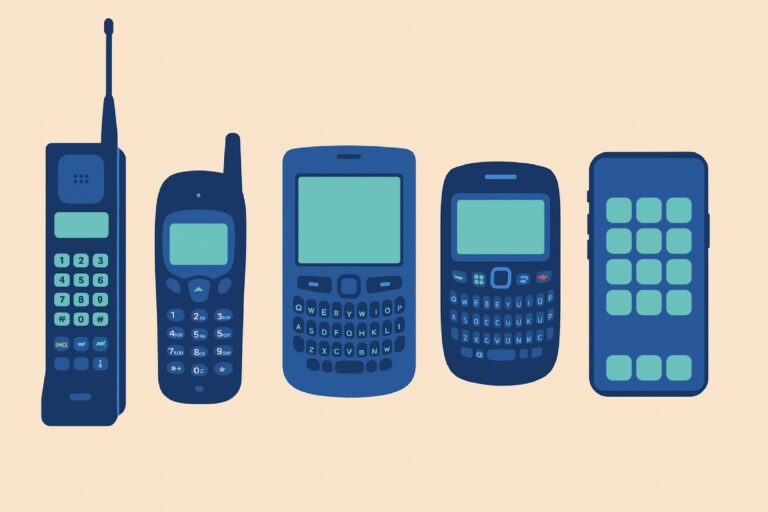
The result is that a meter now has the capabilities to be as smart, adaptable and beneficial as your smartphone. Moving to next-gen technology is like swapping out your Nokia 8210 for an iPhone.
Unleashing the energy transition
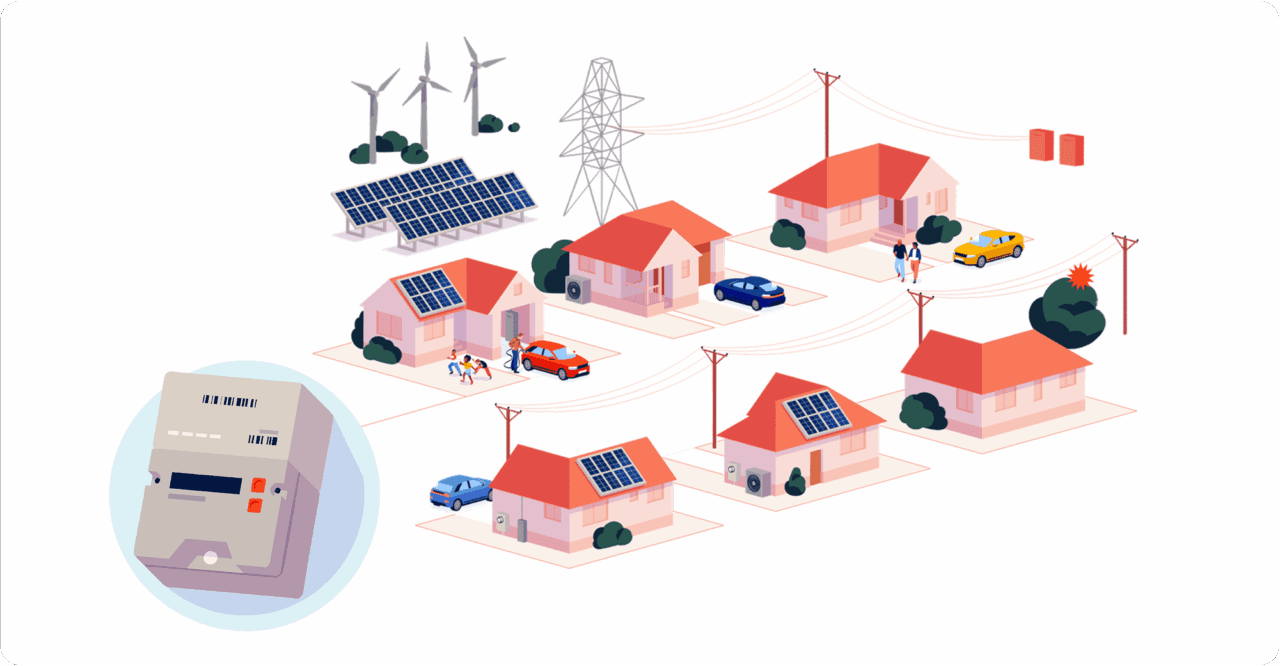
This could not come at a better time for utilities. Electricity demand is surging across Europe as data centers, electric vehicles, and other demand sources are rolled out to match the needs of our modern society. At the same time the intermittency of clean, distributed energy resources calls for new approaches to grid management.
Distribution grids are not ready for this energy transition. More wires, power plants and other hardware aren’t enough to get us where we need to go. New solutions to reach consumers and deliver greater grid-edge visibility and control are needed more than ever. Thankfully, next-gen smart meter technology is here today.
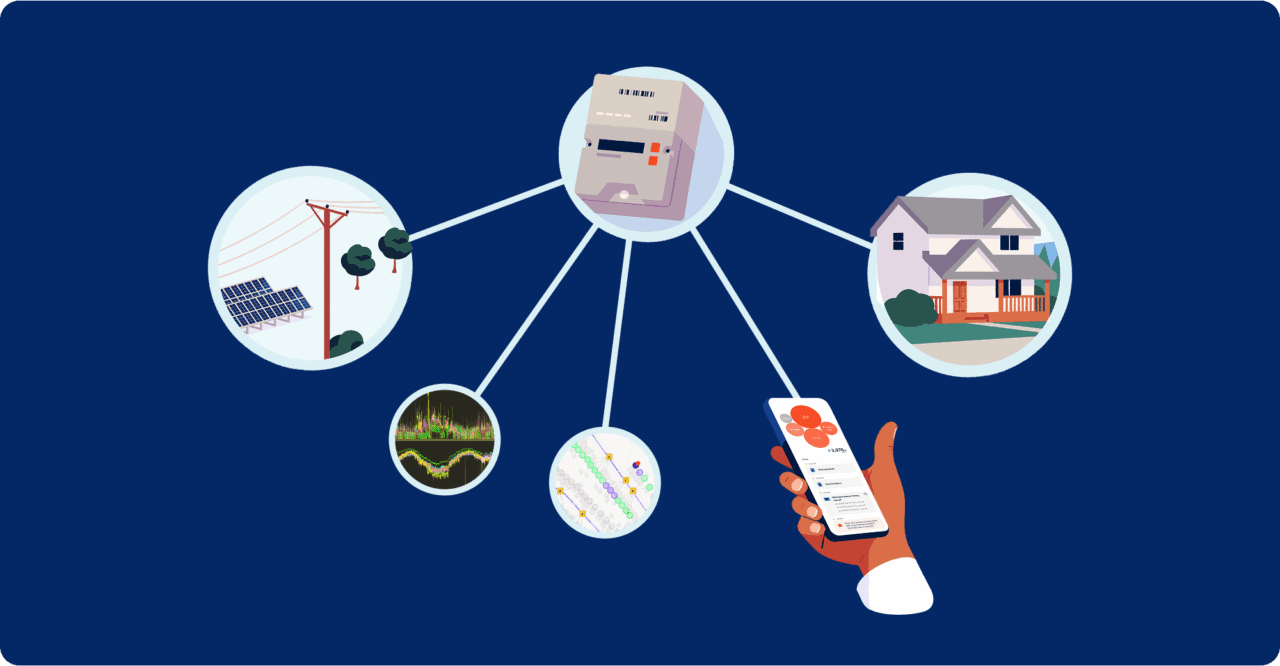
Next-gen technology offers the scalable and powerful network we need to unleash the energy transition affordably and effectively. Sense’s AI technology sits within these meters at the grid edge to deliver in-home intelligence in real time. For utilities this capability offers a detailed bird’s eye view of what’s happening on the system, transforming how it can be managed.
Crowdsourcing grid management
Apps like Google Maps have revolutionised how we travel in cars by crowdsourcing real-time data to provide drivers with insights on their journey. Next-gen can do the same for utilities. Just like when Google Maps uses the speeds of vehicles connected to the app to identify traffic problems, a meter equipped with technology like that provided by Sense can detect unusual power fluctuations or outages and instantly report them to you. But that’s just the start.
The in-home device provides utilities with a direct line to households. Where Google Maps helps drivers avoid traffic or find the cheapest petrol stations, you can use next-gen meters to alert consumers of changes in grid conditions or real-time pricing. The result is a community of users running appliances or charging EVs when prices are lowest and at times that work best for the grid.
The two-way relationship creates a whole new dynamic between consumers and utilities—one that’s interactive, responsive, and truly smart.
A grid-scale health check
AI-enabled next-gen meters let homeowners and utilities alike carry out a smart home health check on devices and how they interact with the grid. Where health apps like Oura might track your heart rate or sleep patterns, Sense uses next-gen to monitor energy-hungry devices to detect and warn you about any changes in a home’s energy consumption patterns.
The embedded intelligence within next-gen meters can analyse energy consumption up to one million times a second to detect the difference between a heat pump and a hairdryer. Apply this capability across a grid and we can transform our relationship with energy in the same way that personalised health monitoring has reshaped wellness.
The time is now!
Decisions need to be made today to capture this potential, with large-scale meter replacements already underway worldwide — and the energy transition accelerating within the lifespan of meters being installed now.
Next-gen meters installed today can be updated remotely to evolve and address tomorrow’s energy challenges. Many electric vehicle drivers have experienced the value of remote updates that improve range, add new features, or optimise performance years after the vehicle first took to the road. The same is true for next-gen smart meters with embedded intelligence. They continue to grow in value and functionality long after installation.
Everyone benefits from lower costs and a more flexible grid fit for a cleaner future. Adopting AI-ready next-gen smart meters delivers the platform on which technology like that provided by Sense can deliver these system benefits for all of us.
The post Your Meter Should Be As Smart As Your Phone appeared first on Sense.
]]>The post Your Meter Should Be As Smart As Your Phone appeared first on Sense.
]]>
Traditional meters have been stuck in the slow lane, typically operating on past data collected every 15 minutes to offer a fuzzy snapshot of what’s happening across the grid. Today, next-generation AMI 2.0 technology is making the same leap your smartphone has.
With embedded intelligence enabled by partners like Sense, 50 million times as much data as first-generation smart meters can be processed at the grid edge. AMI 2.0 meters tap into the same computing power that allows smartphones to process the high data rates they need to. And by connecting to home WiFi, they can deliver real-time actionable insights.
The result is that a meter now has the capabilities to be as smart, adaptable and beneficial as your smartphone. Moving to AMI 2.0 technology is like swapping out your Nokia 8210 for an iPhone.
Unleashing the energy transition
This could not come at a better time for utilities. Electricity demand is surging across the US as data centers, electric vehicles, and other demand sources are rolled out to match the needs of our modern society. At the same time the intermittency of clean, distributed energy resources calls for new approaches to grid management.
Distribution grids are not ready for this energy transition. More wires, power plants and other hardware aren’t enough to get us where we need to go. New solutions to reach consumers and deliver greater grid-edge visibility and control are needed more than ever. Thankfully, next-gen smart meter technology is here today.
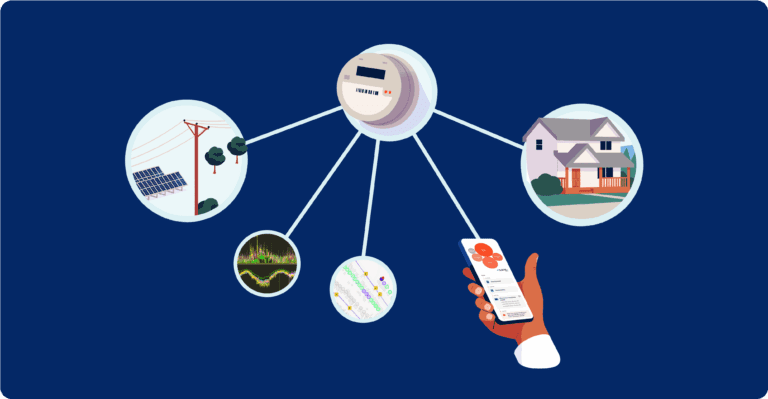
AMI 2.0 technology offers the scalable and powerful network we need to unleash the energy transition affordably and effectively. Sense’s AI technology sits within these meters at the grid edge to deliver in-home intelligence in real time. For utilities this capability offers a detailed bird’s eye view of what’s happening on the system, transforming how it can be managed.
Crowdsourcing grid management
Apps like Google Maps have revolutionized how we travel in cars by crowdsourcing real-time data to provide drivers with insights on their journey. AMI 2.0 can do the same for utilities. Just like when Google Maps uses the speeds of vehicles connected to the app to identify traffic problems, a meter equipped with technology like that provided by Sense can detect unusual power fluctuations or outages and instantly report them to you. But that’s just the start.
The in-home device provides utilities with a direct line to households. Where Google Maps helps drivers avoid traffic or find the cheapest gas stations, you can use AMI 2.0 meters to alert consumers of changes in grid conditions or real-time pricing. The result is a community of users running appliances or charging EVs when prices are lowest and at times that work best for the grid.
The two-way relationship creates a whole new dynamic between consumers and utilities—one that’s interactive, responsive, and truly smart.
A grid-scale health check
AI-enabled AMI 2.0 meters let homeowners and utilities alike carry out a smart home health check on devices and how they interact with the grid. Where health apps like Oura might track your heart rate or sleep patterns, Sense uses AMI 2.0 to monitor energy-hungry devices to detect and warn you about any changes in a home’s energy consumption patterns.
The embedded intelligence within AMI 2.0 meters can analyse energy consumption up to one million times a second to detect the difference between a heat pump and a hairdryer. Apply this capability across a grid and we can transform our relationship with energy in the same way that personalized health monitoring has reshaped wellness.
The time is now!
Decisions need to be made today to take advantage of this potential, with nearly a quarter of meters in the US due to be replaced by 2030. The energy transition will happen during the lifespan of meters being installed now.
AMI 2.0 meters installed today can be updated remotely to evolve and address tomorrow’s energy challenges. Many electric vehicle drivers have experienced the value of remote updates that improve range, add new features, or optimize performance years after the vehicle first took to the road. The same is true for AMI 2.0 smart meters with embedded intelligence. They continue to grow in value and functionality long after installation.
Everyone benefits from lower costs and a more flexible grid fit for a cleaner future. Adopting AI-ready AMI 2.0 smart meters delivers the platform on which technology like that provided by Sense can deliver these system benefits for all of us.
The post Your Meter Should Be As Smart As Your Phone appeared first on Sense.
]]>The post Australia’s Energy Transition in Focus: Insights from AEW 2025 appeared first on Sense.
]]>
By Dave Johnson, Head of Australia
How real-time data, smarter markets, and consumer-focused design are shaping the future of clean energy in Australia
Australian Energy Week 2025 brought together energy leaders, regulators, and innovators to explore the next phase of Australia’s energy transition. The message was clear: to reach net zero, the sector must embrace innovation, empower consumers, and modernise the grid with smarter, data-driven tools.
From system design to customer experience, plenary speakers explored what it will take to deliver a reliable, affordable, and equitable energy system. And across all discussions, one theme kept emerging—grid-edge intelligence is essential to make it happen.
Customer-Centric Electrification
AGL CEO Damien Nicks focused on electrification as a key pathway in the clean energy transition, sharing data that 42% of their customers are actively seeking solutions. With the right combination of smart meters, personalised tariffs, and accessible energy data, electrification can reduce bills and improve comfort—particularly when bundled into end-to-end product ecosystems. Importantly, low-income households must not be left behind; the transition must be designed to be fair, inclusive, and affordable.
Grid Visibility & Local Intelligence
Mark Sprawson of EA Technology highlighted the growing need for high-resolution grid data to improve grid resilience and operational efficiency. From detecting low-voltage (LV) faults to managing reverse power flows, edge computing is already unlocking real-world benefits. But while edge-based platforms help see more on the grid side, a critical blind spot remains behind the meter.
That’s where Sense complements these efforts, using advanced load disaggregation to detect devices like EVs, solar, and heat pumps in real time. By surfacing both grid-side and customer-side intelligence, Sense fills the final gap in the visibility puzzle, enabling DNSPs to plan, operate, and engage with far greater precision.
Australia Market Reform for a Net-Zero Grid
Anna Collyer, Chair of the AEMC, set out a strategic vision for a consumer-focused net zero energy system. Reforms span energy affordability, dynamic pricing, and improved data access, all underpinned by principles of equity and trust. Collyer noted the need for collaboration across market bodies, regulators, and communities to drive successful reform. Energy transition planning must support both grid modernisation and meaningful community engagement—especially as DER adoption accelerates.
A System Evolving in Real Time
Tim Nelson’s review of the NEM spotlighted a changing energy landscape marked by weather-dependent supply, invisible assets, and sharper price volatility. As renewable energy continues to displace legacy generation, market mechanisms need to evolve too. Nelson proposed a new framework to support long-term investment signals, explicitly calling for greater participation from distributed resources and demand flexibility.
CX Innovation in the Clean Energy Economy
Mark Humphreys of Gentrack explored how utilities can meet rising expectations through segmentation, speed, and data. From vulnerable customers to those with complex multi-service needs, utilities must adopt new operating models supported by AI, automation, and customer analytics. This focus on energy efficiency and engagement aligns closely with Sense’s mission—to make energy data personal and actionable, building long-term customer trust and loyalty.
The Energy System Is Local and Social
Rob Wheals of Squadron Energy closed with a reminder that Australia’s transition isn’t just technical—it’s social. Communities want to be part of the solution, not just recipients of change. Investments in firmed renewables, community engagement, and delivering benefit locally are now business imperatives.
Final Takeaway
From retail innovation to real-time grid analytics, AEW 2025 showcased the breadth of change underway across Australia’s energy transition. One insight rang loudest: enabling a clean, flexible, and resilient energy future depends not just on new infrastructure—but on the intelligence we extract from it. With real-time insights from both sides of the meter, Sense is proud to be part of the solution.
Heading to All Energy Australia this October?
Let’s keep the conversation going. Stop by and see what’s next.
The post Australia’s Energy Transition in Focus: Insights from AEW 2025 appeared first on Sense.
]]>The post EV Charging Is Changing the Grid. Here’s How to Get Ahead appeared first on Sense.
]]>The rapid rise of electric vehicles is reshaping the way we think about the grid—from both sides of the meter. As utilities work to meet ambitious climate mandates while keeping systems resilient and affordable, EVs are emerging as both a challenge and an opportunity.
According to the US Department of Energy, around 80% of EV charging happens at home. That’s good news because unlike most home energy loads, EV charging is highly flexible. With the right tools, utilities can turn this flexibility into real-world value: for the grid, for the environment, and for customers.
But it all starts with visibility. That’s where Sense EV Analytics comes in.
Meet Sense EV Analytics: Smarter EV Intelligence From the Grid Edge
EV Analytics leverages Sense’s distributed edge intelligence to detect and analyze home EV charging regardless of vehicle make or charger type. By applying AI and machine learning to high-resolution waveform data, EV Analytics gives utilities unprecedented clarity into when, where, and how much EVs are charging.
And that clarity enables action.
Sense identifies Level 1 and Level 2 charging events with minute-by-minute start/stop timestamps and 5-minute kW load data. This information feeds directly into key utility operations—from managed charging and distribution planning to load forecasting and customer engagement.
- Detect Charging at the Grid Edge
Leverage meter-embedded AI that analyzes high-resolution waveform data—eliminating the blind spots and delays of cloud-only or 15-minute interval data approaches. - Lower Program Costs and Expand Access
Recruit and enroll more customers into managed charging programs with new options for EVs using Level 1 chargers. One solution, broad coverage, lower acquisition costs. - Support All EVs and Chargers
Deliver EV insights regardless of make, model, or charger. Sense’s waveform-based detection is vehicle and charger agnostic—removing the enrollment friction created by telematics or proprietary hardware. - Adapt to the Fast-Changing Grid
As new EVs are added to the grid every day, Sense keeps pace offering continuous detection and insights to help you adapt your planning and operations in real time. - Build a Flexible, Scalable Foundation
Support multiple meter communication protocols (Cellular, Mesh, WiFi) and integrate seamlessly with utility platforms. Sense enables a software-first strategy that’s ready to scale with your AMI 2.0 rollout. - Unlock Dispatchable Load
EV charging is flexible and Sense helps you tap into that flexibility. Shift load to off-peak hours with real-time visibility that enables smarter demand response and grid reliability strategies.
Why Grid-Edge Matters
Today, most utilities rely on a patchwork of EV data sources—some delayed, some disconnected from actual meter locations, and many with significant data gaps. Further, most software approaches rely on cloud models that can’t keep up with the real-time grid. That makes planning difficult, and limits the success of managed charging programs.
EV Analytics changes that. By detecting when an EV is added to a home, utilities can immediately determine how that load will impact local distribution assets. And with identifying and measuring charge events directly at the meter, Sense delivers timely, accurate, and location-specific insights at scale—no extra hardware, no messy integrations.
Giving EV Drivers Power
Accurately identifying where EVs are from the edge also enables utilities to engage their owners. EV charging can double household energy demand, creating grid stress if unmanaged. While time-of-use (TOU) rates aim to shift charging to off-peak times, results are mixed—often due to limited customer engagement. Sense EV Analytics together with the Sense Home app can provide real-time alerts and visibility into when rates change and what’s using power.
But rates alone aren’t enough. Sense research shows that TOU periods often don’t align with the grid’s cleanest energy. Nor are they aligned with seasonal peaks, like AC-driven load increases during the hottest part of the day. Smarter charging needs to factor in renewable generation, real-time usage, and overall carbon intensity. This kind of optimization could cut emissions by up to 43%.
To make it work, we need home-level intelligence and consumer-friendly tools. With software embedded in smart meters and an easy-to-use app, Sense is uniquely positioned to enable flexible, low-carbon EV charging for a more resilient grid.
Shape EV Demand Before It Shapes Your Grid
EV sales are surging. According to the International Energy Agency (IEA), EVs grew to 10% of new U.S. car sales in 2024. By 2030, that number is forecasted to hit between 20% and 50%. That increase could add between 100TWh and 185TWh to our total electricity demand, representing between 2.5% to 4.6% of our total consumption.
That’s great for utilities under pressure to meet climate goals. But without the right strategy, it could mean up to an increase in peak energy demand—at a time when many grids are already under strain from weather events and rising consumption.
The good news: EV charging is flexible. With tools like Sense EV Analytics, utilities can shape demand—reducing peak load, improving grid reliability, and helping customers charge at times when energy is cleaner, cheaper, and more plentiful.
With Sense EV Analytics, utilities get:
- Reliable detection of all EV’s on the residential network to know when a new EV is added
- Daily EV charging data for improved forecasting
- Accurate charge detection to enroll more customers in managed charging
- Seamless integration with utility systems and customer apps
In a world where every kilowatt-hour matters, Sense provides the clarity to act and the tools to drive meaningful change.
Let’s unlock EVs as part of our cleaner, more resilient future—starting at the meter.
The post EV Charging Is Changing the Grid. Here’s How to Get Ahead appeared first on Sense.
]]>The post How is grid-edge intelligence enabling the energy transition in Australia appeared first on Sense.
]]>In the age of sustainability, the role of consumers in the clean energy transition continues to evolve but what does this shift mean for each stakeholder and how can smart grid technology transform the Australian energy market.
Evolution of consumer behaviour in Australia’s energy transition
Today, Australian consumers are more aware of their energy use. They are economically driven to cut their energy costs against a backdrop of rising living expenses.
Consumers are increasingly aware of environmental and climate concerns, seeking greener and more sustainable lifestyles through investments in clean energy alternatives like solar and electric vehicles (EVs).
It’s still early days, but consumers are at the heart of the energy transition, and their actions are significantly accelerating electrification across Australia.
The energy landscape: Energy retailers, DNSPs and consumers
As the energy transition evolves, the role of grid-edge ‘behind the meter’ customer energy resources (CER) is growing at a phenomenal rate. Rooftop solar will likely reach 30% or more of national energy generation and EVs will likely evolve into the largest controllable grid edge storage resource through home demand-side response (DSR) and network virtual power plants (VPP).
Retailers and DNSPs recognise that their customers are changing, and they must help facilitate their evolution. When all parties are aligned and have full grid-edge visibility behind the meter at an individual device level, it’s possible to effectively manage supply and demand, prevent grid disruptions / outages and optimise distribution – especially during peak grid strain periods.
The impact of increasing CER uptake
While electricity supply margins will continue to face pressure, consumer energy resources offer opportunities for retailers to grow average revenue per user (ARPU) and customer value over longer customer lifecycles as well as reduce customer energy bills without discounting tariffs and margins.
Building customer trust, consent, participation and engagement is essential for retailers to scale higher-margin propositions such as DR and VPP that leverage CERs for both home and grid use over long predictable periods to achieve payback cases for customers, retailers, and services providers.
Retailers need better real time grid-edge intelligence data to see CER adoption and activity and to offer customers new compelling products and propositions that can be scaled across all customers. DR and VPP activities are increasingly essential to ease network congestion and balance the grid. To maintain reliable and balanced networks, DNSPs require better grid-edge intelligence and visibility. For example, monitoring distribution network transformer health is vital to avoiding straining the electric grid and prioritising network reinforcement as significant new loads, such as EVs and rooftop solar come online.
Retailers have previously implemented first-generation DR and VPP services, with participation from 10-20% of customers, shifting load by 2-4%. The next generation of DR is proving more effective, with impressive results in the US, achieving peak consumption reductions of up to 18%.
Artificial Intelligence (AI) technology such as Sense will bridge the gap between consumers and utilities when embedded in smart meters
Sense’s AI software technology helps consumers understand and manage their energy consumption more effectively, through a personalised, real-time view of whole home energy usage and individual appliances and CERs.
On average, consumers reduce consumption by eight to ten per cent. Sense can also detect the highest consuming appliances in each home in real-time, so consumers can be notified exactly what to turn off for maximum impact, making domestic demand response at scale a reality.
For example, Sense AI enables retailers and DNSPs to better monitor and forecast the adoption and charging of EVs without the need for extra hardware integration with EV chargers.
Outside the home, Sense identifies and geolocates faults on the grid within 10 metres, based on tiny fluctuations in the power supply into the smart meter. Sense grid-edge intelligence can also monitor deteriorating transformer health as new EVs are added, and much more. The low voltage network can be monitored with greater precision, with real time data on power quality, voltage, and frequency right to the edge of the grid.
Scaling consumer engagement
In the US, Sense is starting to roll out on next-generation smart meters (AMI 2.0).
Scaling across entire distribution networks or customer bases is possible, but requires a world class user experience and engagement app to succeed. To succeed, consumers need real-time information. They need time to establish familiarity and trust, and need easy affordable steps to engage with specific energy-saving behaviours and participate in DR and VPP.
Sense AI software solution is the quickest and most effective way to gain grid-edge visibility, as well as scale DR and VPP affordably across a large number of users without requiring hardware IoT appliance deployments to be in place first.
The rest of the world compared to Australia
It may be surprising to some but Australia is significantly ahead in the energy transition than other markets around the world. For example, Australia can proudly claim the highest solar penetration in the world, driven by rooftop solar. This positions Australia to scale the next wave of grid-edge technologies, such as EVs and future EV-based storage solutions. EV sales in Australia have doubled each year since 2022, and both vehicle-to-grid and vehicle-to-home storage capabilities are now on the horizon.
Grid-edge community storage deployments are gathering pace. It’s still early days but Australia is on track to becoming a world leader in community battery deployment. Scaling the energy transition at the grid edge will depend on low-cost, high-stability community grid-edge low voltage networks, with community storage playing a crucial role.
Meanwhile, in the US, Rhode Island recently became the first state to approve utilities providing Sense on next-generation smart meters to every home. However, Australia has the potential to become the first market globally to begin transitioning to a next-generation distribution network.
Australia is uniquely positioned to leapfrog the US and Europe in implementing AMI 2.0 nationally. These advanced next generation meters will reduce operations, maintenance, and reinforcement costs while providing the grid-edge intelligence and visibility needed to fully support the energy transition.
Sense in Australia
Through our pilot with Melbourne families, we have developed a strong understanding of Australian homes and appliances.
In a mature market such as the US, our detection rate is 95% accurate in explaining over 70 per cent of consumption by appliances. In Australia, we’re rapidly closing in on this level of performance as we gather more data and develop market specific algorithms.
Our Australian beta testers have certainly embraced Sense and our decarbonization efforts. They have provided excellent feedback on our technology, with 96 per cent saying they would be more likely to participate in DR if they could use the Sense app to see which appliances to switch off. And 91% of families say that Sense allows them to better manage their home energy use generally.
We are now working with Australian meter technology and service coordinator partners to ensure Sense runs on the next generation of AMI 2.0 smart meters that will be available in 2025. We’re also working to prepare retailers and DNSPs to make Sense an important part of their energy transition propositions for Australian homes.
Consumers will benefit from enhanced energy insight, the cost of managing the grid will fall, and domestic flexibility will become viable at scale.
We’re excited to help contribute to the energy transition in Australia.
By Dave Johnson, Head of Australia for Sense
Contact us today to learn how Sense’s AI technology can transform energy management for energy retailers, DNSPs and consumers alike.
The post How is grid-edge intelligence enabling the energy transition in Australia appeared first on Sense.
]]>The post Unlocking Real-time Visibility and Situational Awareness appeared first on Sense.
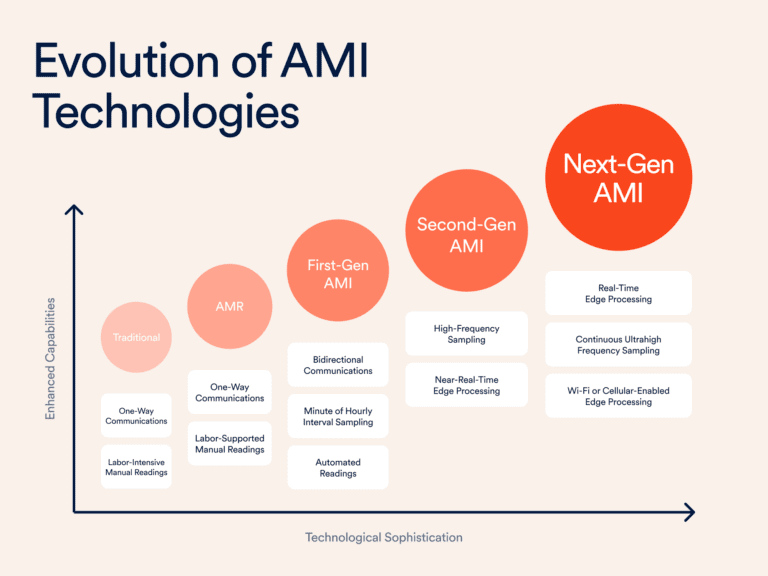
]]>An electric meter was originally designed to provide utilities with a simple number—the amount of electric current that flowed through the meter each month. The first significant technological evolution came with the rise of first-generation smart meters and the transition from analog devices to basic digital technologies. With the development of more sophisticated hardware and the miniaturization of computing power, “second-generation” smart meters have leapfrogged traditional definitions and now encompass connected networks of intelligent edge-computing devices, fully equipped with onboard sensors, computers, and communications capabilities. Furthermore, these devices can now measure and monitor the waveform in addition to energy, current, and voltage, and capture these measurements at sub-second intervals. These flagship functionalities should not overshadow one of the more overlooked capabilities— location awareness.
However, there is still a fair degree of technological differentiation throughout the space, as highlighted in Figure 1-1. For the purposes of this white paper, second-generation AMI constitutes these baseline enhancements, while the term next-generation AMI (Next-Gen) is reserved for the continuous sampling of ultrahigh resolution data (at a minimum of 15 kHz) across all smart meters, significant local processing, and real- time networking functionalities—requirements that some devices labeled as next-generation AMI meet to varying degrees. These innovations aim to align the energy industry with other verticals in enabling real- time experiences to meet modern-day expectations.
To read more, download the whitepaper.
The post Unlocking Real-time Visibility and Situational Awareness appeared first on Sense.
]]>The post Unlocking Real-time Visibility and Situational Awareness appeared first on Sense.
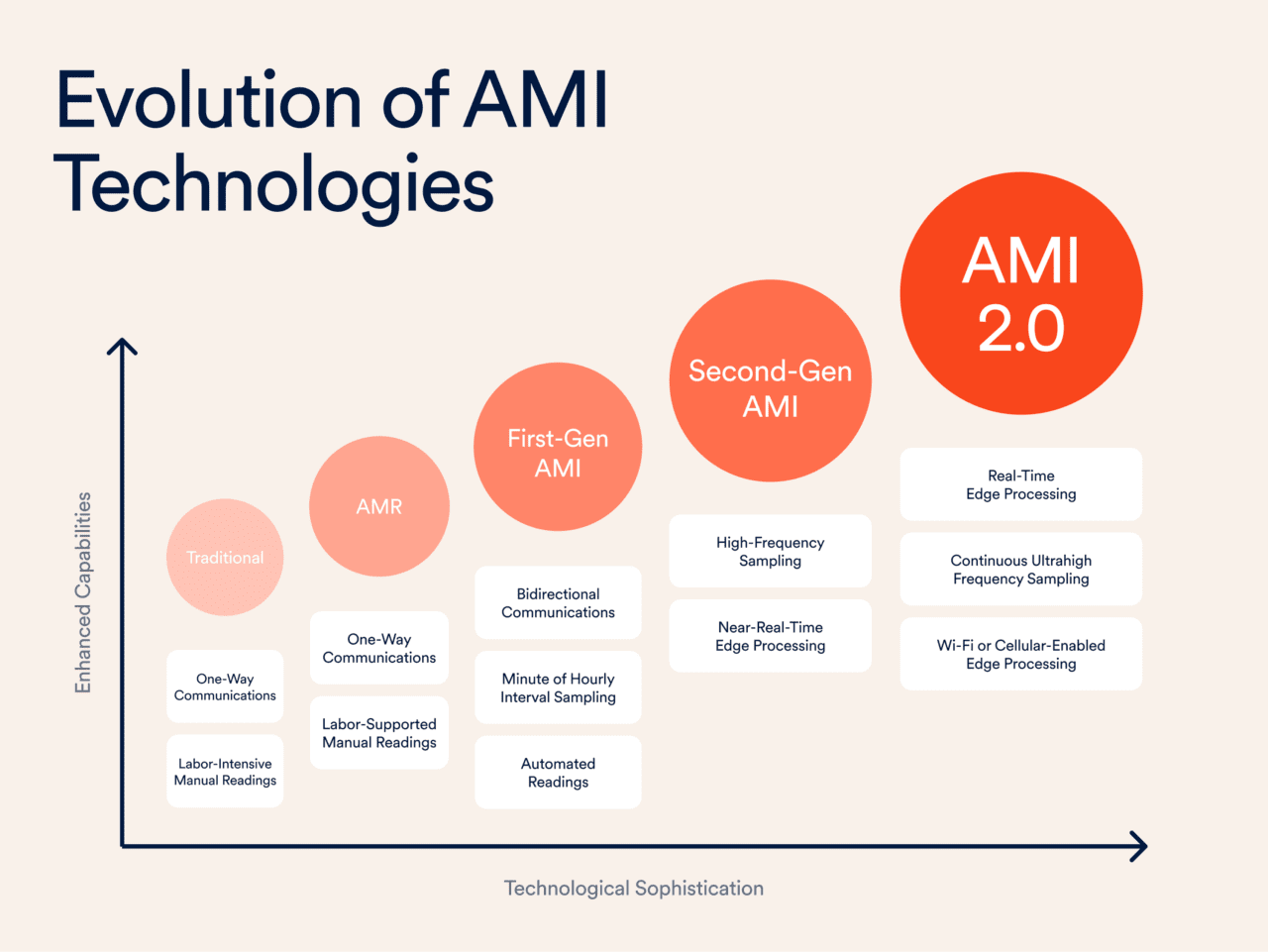
]]>An electric meter was originally designed to provide utilities with a simple number—the amount of electric current that flowed through the meter each month. The first significant technological evolution came with the rise of first-generation smart meters and the transition from analog devices to basic digital technologies. With the development of more sophisticated hardware and the miniaturization of computing power, “second-generation” smart meters have leapfrogged traditional definitions and now encompass connected networks of intelligent edge-computing devices, fully equipped with onboard sensors, computers, and communications capabilities. Furthermore, these devices can now measure the full waveforms of current and voltage, and capture these measurements at sub-second intervals.
However, there is still a fair degree of technological differentiation throughout the space, as highlighted in Figure 1-1. For the purposes of this white paper, second-generation AMI constitutes these baseline enhancements, while the term AMI 2.0 is reserved for the continuous sampling of ultrahigh resolution data (at a minimum of 15 kHz) across all smart meters, significant local processing, and real-time networking functionalities1—requirements that some devices labeled as AMI 2.0 meet to varying degrees.2 These innovations aim to align the energy industry with other verticals in enabling real-time experiences to meet modern-day expectations.
The post Unlocking Real-time Visibility and Situational Awareness appeared first on Sense.
]]>