The post Grid Fault Detection That Goes Farther for Utilities appeared first on Sense.
]]>Transmission networks and generation assets are typically well resourced for monitoring, but distribution grid fault detection has historically received far less attention. Utilities have been forced to rely on a patchwork of legacy systems, centralized analytics built on low-resolution data, and even customer reports before they can respond. As a result, faults are often identified after damage has already occurred, and in many cases without clear visibility into where the problem originated.
With more than 90% of U.S. outages taking place on the distribution grid, utilities need better tools to monitor the low-voltage lines that deliver electricity to homes and businesses. Grid-edge intelligence, delivered through a dense, distributed network of smart meters, is emerging as a new way to close this gap — enabling earlier insight into faults that were previously invisible.
Looking Both Ways at Faults
The faults that occur on distribution networks are often subtle and harder to identify than those on transmission systems, requiring a fundamentally different approach. Next-generation AMI 2.0 technology is enabling a new class of distribution grid fault detection, designed to operate at the scale and complexity of the modern grid.
By pushing computing to the grid edge through smart meters with embedded intelligence, high-resolution electrical signals can be analyzed locally on each device. Access to in-home consumption and amperage data provides critical context, allowing utilities to distinguish between faults originating inside a home, on a neighbouring connection, or on the grid itself — a key challenge for traditional approaches.
Machine learning models detect anomalous behaviour in near real time, accurately classifying fault signatures and localizing events across the network, even in dense urban environments. When applied at scale and with full meter density, this distributed intelligence reduces false positives and enables more precise fault localization than centralized, low-resolution analytics alone.
Many faults impacting safety and reliability of the system occur downstream of traditional monitoring points, on secondary and service lines closer to customers. AMI 2.0 fills these critical gaps by observing electrical behaviour both ways across the meter. This level of insight allows utilities not only to understand what has failed, but to anticipate emerging issues on the distribution grid before they escalate.
High sampling rates are crucial for identifying the subtle electrical variations that indicate a developing fault. High-resolution sampling capabilities, up to 1 MHz, combined with the scale of AMI-enabled smart meter deployments, enable utilities to detect where and when faults are forming, without the need to install additional field sensors or remote monitoring equipment.
From Spark to Safety
As climate conditions grow hotter, drier, and more volatile, managing the distribution grid has fundamentally changed. Downed conductors, arcing connections, and degrading equipment can create dangerous conditions long before traditional outage-based detection methods are able to respond.
The value of AMI 2.0-driven distribution grid fault detection lies in early awareness. Arc faults and other electrical anomalies can increase wildfire ignition risk, damage infrastructure, and endanger lives if left undetected. Identifying abnormal electrical behaviour before an outage occurs gives utilities time to assess risk and respond safely.
Line workers are on the frontline of this increasingly hazardous work, often operating in remote or high-risk environments. Many of the most dangerous situations begin with subtle electrical anomalies. Knowing the location and likely nature of a fault before crews are dispatched improves preparedness, reduces exposure to danger, and lowers the risk that an isolated electrical event escalates into a broader emergency.
Early distribution grid fault detection is no longer just about reducing downtime or saving on crew costs; it is critical for wildfire prevention.
AMI 2.0 enables sub-second detection of fault signatures, allowing utilities to rapidly assess risk, de-energize affected segments when appropriate, and dispatch crews with more precise location context. This speed and accuracy significantly reduce the window in which a fault can escalate into a wildfire, helping protect communities, infrastructure, and the grid itself.
A More Resilient Distribution Grid
AMI 2.0 technology means smart meters now deliver far more than basic household consumption data. They provide a platform for intelligent, real-time distribution grid fault detection, extending visibility into arcing, downed lines, and other hazardous conditions as they emerge, or even before failure occurs. This level of insight is essential for maintaining a safe and reliable distribution network.
The benefits extend beyond safety. High-resolution sensing at scale enables faster operational decision-making without the need to deploy new field hardware. More precise fault localization reduces unnecessary truck rolls and ensures crews are dispatched exactly where they are needed. Continuous monitoring also helps identify degrading assets earlier, allowing utilities to focus investment on the highest-risk infrastructure.
With large-scale meter replacements already underway worldwide, decisions made today will determine how much value utilities extract from their AMI investments. The technology to deliver predictable, reliable and safety-focused grid fault detection already exists, enabling utilities to move toward a more resilient distribution grid.
The post Grid Fault Detection That Goes Farther for Utilities appeared first on Sense.
]]>The post Understand Load, Unmask Solar, Shape the Grid appeared first on Sense.
]]>Utilities are navigating a new era of complexity. As solar panels, electric vehicles (EVs), heat pumps and other distributed energy resources (DERs) multiply, the distribution grid is losing visibility. A trend that shows no signs of slowing.
Without clear insights from both sides of the meter, utilities face growing uncertainty around how behind-the-meter load activity will impact grid operations. They need better ways to detect, measure, and optimize the growth and impact of DERs to turn this new capacity into an asset rather than a risk.
Next-generation AMI 2.0 smart meters with Sense embedded intelligence make this possible.
Understanding Load
These advanced meters can collect data at least 15,000 times a second, delivering new levels of load visibility into residential energy use that help utilities understand how load is changing across their networks.
By applying AI and machine learning to this high-resolution waveform data, utilities can see beyond the meter and identify hidden load growth that was previously undetectable. Visibility into load patterns at the neighborhood or even household level enables the creation of detailed load profiles that reveal how demand is evolving, from the adoption of new EVs to emerging heating and cooling trends such as the uptake of heat pumps.
Where this increased load might once have been a mystery, greater visibility turns it into an operational strength. With deeper insight, grid operators can identify opportunities for voltage optimization and detect outages faster to accelerate restoration. A better understanding of load also enables customized programs tailored to real customer behavior, helping reduce energy losses, manage peak demand and improve the overall customer experience.
Unmasking Solar
Smart meters with embedded intelligence can detect and measure behind-the-meter solar generation, giving utilities a clear view of how much clean power is being produced, self-consumed, or exported to the grid.
This same load visibility enables utilities to forecast and respond to changes in production, for example, when cloud cover passes over a neighborhood and solar output drops within seconds. With Sense insights, utilities can achieve more accurate solar generation forecasting, helping them plan, balance, and integrate distributed resources as renewable adoption grows.
Shaping the Grid
Unprecedented clarity into when, where, and how many EVs are charging at the grid edge can also be achieved at a critical moment. With flexible charging expected to be one of the most impactful elements of the upcoming projected rise in DER capacity, detailed and accurate EV load detection is too valuable a resource to ignore.
US heat pumps have also consistently outsold fossil fuel alternatives over the last three years. Identifying their increasing use across the grid is rapidly becoming vital as they shift heating energy demand from gas onto the electricity grid.
The visibility Sense provides is a gamechanger for utilities. More accurate load and solar generation forecasting turns operational planning into precision work. Utilities can make smart infrastructure investments based on real system constraints rather than a fuzzy snapshot of what’s happening across the grid.
This clarity means power purchasing and hedging strategies can be refined while time of use and dynamic pricing can be honed to better reflect how homes are using and generating energy.
The high-fidelity, situational awareness provided by a Sense-enabled network of smart meters enables a holistic view of the distribution grid. Instead of system-wide interventions that could disrupt thousands of households, responses can be targeted at the nodal or feeder level to minimize disruption while managing operational risk.
Load visibility has arrived
Smart meters embedded with Sense’s load visibility capabilities turn the uncertainty of distributed energy into actionable insights. This intelligence can be leveraged to enhance reliability, optimize investments, and unlock new value from previously hidden load growth.
The visibility, control and speed utilities need to manage the modern grid are now built into the meter and can be achieved today.
The post Understand Load, Unmask Solar, Shape the Grid appeared first on Sense.
]]>The post EV充電が電力網を変える- 日本の電力会社が先手を打つには appeared first on Sense.
]]>電気自動車(EV)の普及は、電力会社が電力網を考える際の視点を大きく変えつつあります。これは、家庭内の電気メーターだけでなく、グリッドエッジにも影響を与えています。
日本が2050年までにネットゼロ(カーボンニュートラル)の達成に向けて、あらゆる分野の電化が加速する中、EVはその鍵を握る存在であると同時に、課題も増えてきています。2035年までに新車販売の100%をEVまたはハイブリッド車にするという目標は、家庭の電力需要を大きく押し上げるでしょう。多くのEV充電は家庭で行われ、電力負荷は大きく、かつ柔軟に制御できるという特徴があります。
適切な技術を導入することで、日本の電力会社はこの柔軟性を利用して、グリッド計画、システムの安定性、そして顧客とのエンゲージメントといった付加価値を創出することができます。
その第一歩は、「可視化」です。
Sense EV Analytics:グリッドエッジでのリアルタイムEVインテリジェンス
Sense EV Analyticsは、スマートメーターに組み込まれたAIを用いて、車種や充電器の種類に関係なく、家庭におけるEV充電を検出・分析します。高解像度の波形データをメーター内で処理することで、EVが「いつ・どこで・どれだけ」充電されているかをリアルタイムで把握できます。
この知見データにより、トランスフォーマー(変圧器)レベルでの計画から需要応答、炭素排出量の削減まで、よりスマートな意思決定を可能にします。
日本の電力会社にとって、なぜ重要なのか
EVの普及と家庭へのインパクト
日本は2030年までに600万台のEVの普及を目指しています。この場合、集中管理されている急速充電器のようなインフラとは異なり、充電の多くが家庭に集中することになります。家庭での充電が把握できなければ、需要予測やトランスフォーマー(変圧器)の負荷管理、需要応答プログラムの実施が困難になります。
メーターのインテリジェンスを活用した家庭での充電 Senseはレベル1とレベル2の充電の開始時間と停止時間を分単位で検出し、5分単位のkW負荷データを取得します。これにより以下のことが可能になります。
- グリッドエッジでのEV検出
- トランスフォーマー(変圧器)やフィーダー(送電線)単位での負荷を可視化
- 予測精度の向上とDER(分散型エネルギー資源)の統合
クラウドでの推測ではなく、グリッドエッジのAIを活用
遅延を伴う15〜30分間隔のデータに依存するクラウドベースのソリューションに対し、Senseはスマホのようにスマートメーターでデータ処理を行います。これにより、以下のことが可能になります。
- クラウドサービスやネットワークコストが不要
- 遅延ゼロのリアルタイム検出
- 追加のハードウェアやセンサーなしでスケーラブルに展開
Sense EV Analyticsで実現できること
- EVのスケーラブルな可視化: EVのメーカー、モデル、充電器を問わず、あらゆる充電を検出し、テレマティクスやスマートプラグ、オプトイン(事前の同意)が不要
- プログラムコストの削減:レベル1の充電器を使用する顧客を特定してサービスを提供し、より少ない経費でより多くの世帯にリーチ
- クリーンで柔軟な充電:ピーク時間帯を避け、再生可能エネルギーが豊富な時間に充電をシフトすることで、電力網の信頼性向上と炭素排出削減を同時に実現
- ユーザーエンゲージメントと需要形成: Senseアプリを通じて、家庭ごとの電力使用、利用料金、充電行動におけるリアルタイムの知見データを取得することができ、効果的で良心的なTOU(時間帯別料金)の導入とエネルギーの効率化を実現
なぜ「今」なのか?
EV充電は家庭の電力需要を倍増させる可能性があります。一方で、これは「調整、管理が可能な電気負荷」でもあります。日本の住宅用のフィーダー(送電線)は、ピーク需要の多様性が低いため、管理されていないEVの普及は、地域的な制約を引き起こすリスクがあります。Sense EV Analyticsは、以下の特長により、このような状況の変化に先手を打つことができるソリューションです。
- EVのタイムリーな検出
- 日々の充電負荷に関する知見データ
- 顧客プログラム登録の効率的な仕組み
- 配電ごとのストレス指標
低炭素社会に向けた、よりスマートな充電へ
単にピーク時間帯を避けるだけでは不十分です。TOU料金と再エネ発電や炭素強度は必ずしも一致しません。
Senseは、地域や状況に応じた「動的」な充電シフトを可能にし、家庭が最も「安く・クリーンで・供給豊富」な時間帯に充電できるようサポートします。
日本のスマートメーターの未来に対応
Senseのソフトウェアは、次世代スマートメーター(AMI 2.0)に対応し、セルラー、Wi-Fi、メッシュなど複数の通信プロトコルをサポートしています。高解像度波形解析と日本独自の電気負荷への対応も進行中で、日本全国へのAMIの普及を視野に入れています。
EV充電を柔軟でグリッドに優しいリソースへ – その出発点は、スマートメーターです。
The post EV充電が電力網を変える- 日本の電力会社が先手を打つには appeared first on Sense.
]]>The post Smarter Charging Through Partnership appeared first on Sense.
]]>By embedding Enode’s API into the Sense Home app, we’re extending our real-time visibility in the home to the EV itself, capturing live data streams like battery status, charge rate, and usage trends across 45 brands and over 365 models. This creates a unified layer of intelligence that enables more accurate load forecasting, targeted demand response, and seamless customer engagement at the grid edge.
We spoke with Nikolai Heum, CTO and co-founder of Enode, about the technology behind their API platform, the role of integration in grid modernization, and how this partnership unlocks smarter energy management for both EV drivers and utilities.
Q: What is Enode and what are the challenges that you’re focused on solving?
Enode provides the leading API platform for connecting energy devices like EVs, chargers, solar inverters, and batteries to digital apps and services. The biggest challenge we solve is fragmentation. Every device brand has its own way of sharing data and controls. Enode removes that complexity by providing one integration that works across hundreds of devices, so energy companies can focus on building products that accelerate electrification.
Q: What makes Enode’s approach to device integration so unique?
We combine breadth and depth. Our coverage spans over 1,000 models across 100+ manufacturers, and we don’t stop at connectivity. Enode provides real-time data and control capabilities that enable advanced use cases, from richer EV insights today to smart charging and solar-aware load shifting in the future.
Q: How did you first hear about Sense, and what made you decide to collaborate?
We’ve followed Sense for years as a pioneer in home energy intelligence. Their expertise in real-time energy monitoring aligns perfectly with our mission of making energy data actionable. Partnering was a natural step. Together we can bridge the gap between awareness and control, starting with EV drivers.
Q: How does Enode’s technology work with the Sense user experience?
Sense gives households visibility into how energy is used at home. By integrating Enode’s API, that visibility now extends to EVs. Sense users can see real-time EV data like battery status, charge rate, and charging activity directly in their app. Over time, this data also creates the foundation for new features like smart charging.
Q: How will this partnership benefit EV drivers that use the Sense mobile app?
EV drivers will get richer insights into their charging, including battery status and the ability to distinguish between multiple EVs in the home. That makes EV ownership simpler and more transparent.
Q: How do utilities benefit from the adoption of Enode’s technology by companies like Sense?
Utilities gain access to aggregated, flexible load at the grid edge. Through partners like Sense, Enode enables utilities to integrate EVs and other devices into demand response programs, time-of-use pricing, and broader grid management efforts. The result is a grid that’s more reliable and resilient.
Q: How can Enode’s technology help address the challenges faced by the grid due to growing EV adoption?
Unmanaged charging can put serious strain on the grid during peak hours. Enode enables EV data and controls to be integrated into digital services at scale, creating the foundation for smart charging that shifts demand to times when the grid is less stressed or renewable energy is abundant. That helps lower emissions, reduce costs, and limit the need for expensive grid upgrades.
Q: What other types of DERs does Enode support? What use cases for device integration excite you the most beyond EVs?
Beyond EVs, Enode connects to solar inverters, home batteries, and heat pumps. The most exciting opportunities come from combining them. For example, charging an EV directly from rooftop solar or discharging a home battery to reduce peak demand. The more devices we connect, the more value we can unlock for consumers, utilities, and the grid.
Nikolai Heum is the Co-Founder and CTO of Enode. He defines the company’s long-term technology roadmap and drives Enode’s mission to accelerate the transition to a sustainable energy system by connecting and optimizing the world’s energy devices. Before Enode, Nikolai joined Monio as engineer number two, where he helped build the company through to its exit, and has since invested in and advised several Nordic startups.
The post Smarter Charging Through Partnership appeared first on Sense.
]]>The post Your Meter Should Be As Smart As Your Phone appeared first on Sense.
]]>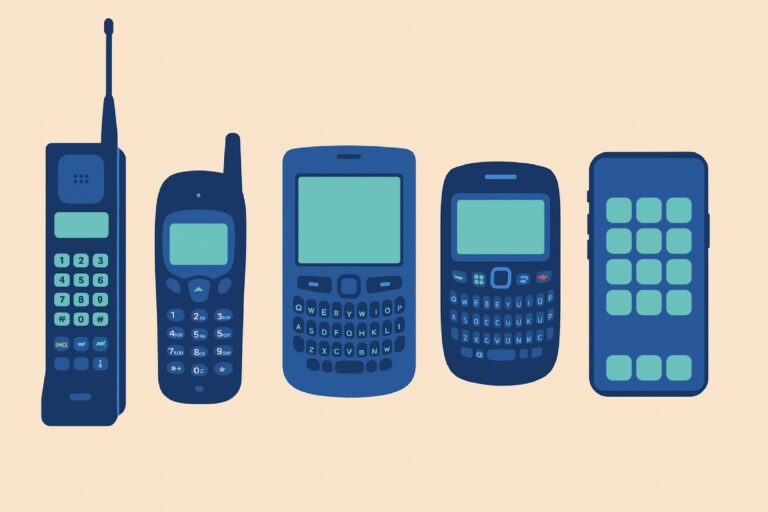
Traditional meters have been stuck in the slow lane, typically operating on past data collected every 15 minutes to offer a fuzzy snapshot of what’s happening across the grid. Today, next-generation smart meter technology is making the same leap your smartphone has.
With embedded intelligence enabled by partners like Sense, 50 million times as much data as first-generation smart meters can be processed at the grid edge. Next-gen meters tap into the same computing power that allows smartphones to process the high data rates they need to. And by connecting to home WiFi, they can deliver real-time actionable insights.
The result is that a meter now has the capabilities to be as smart, adaptable and beneficial as your smartphone. Moving to next-gen technology is like swapping out your Nokia 8210 for an iPhone.
Unleashing the energy transition
This could not come at a better time for utilities. Electricity demand is surging across Europe as data centers, electric vehicles, and other demand sources are rolled out to match the needs of our modern society. At the same time the intermittency of clean, distributed energy resources calls for new approaches to grid management.
Distribution grids are not ready for this energy transition. More wires, power plants and other hardware aren’t enough to get us where we need to go. New solutions to reach consumers and deliver greater grid-edge visibility and control are needed more than ever. Thankfully, next-gen smart meter technology is here today.
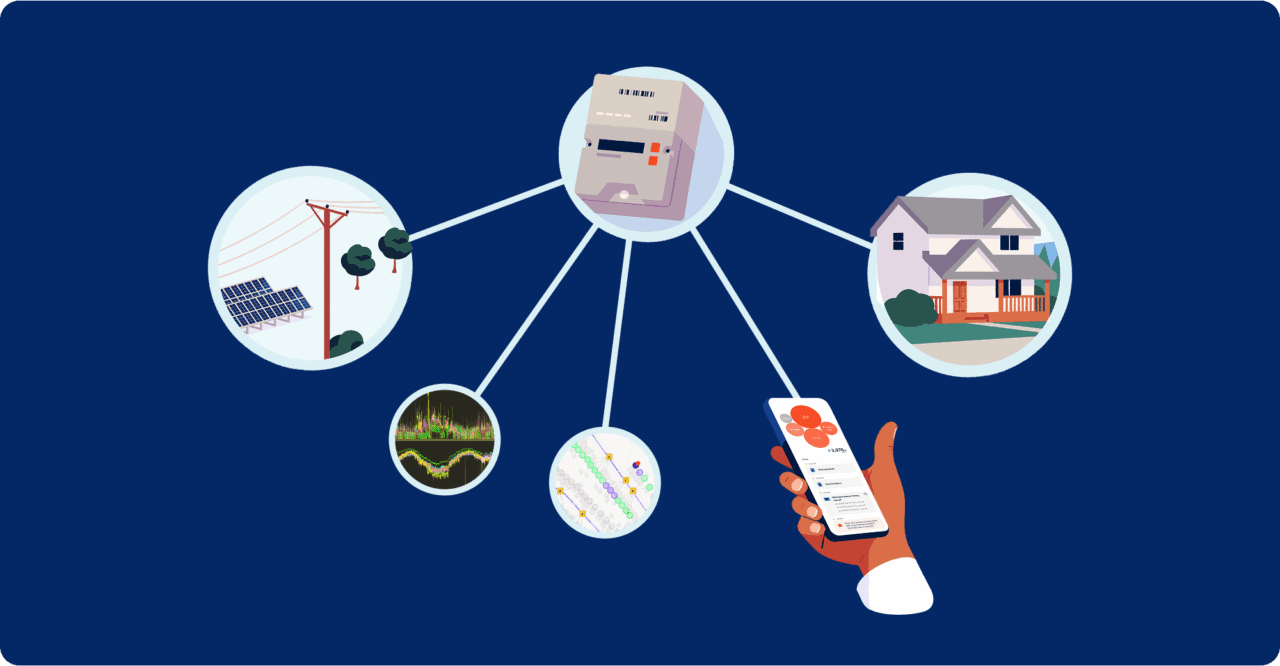
Next-gen technology offers the scalable and powerful network we need to unleash the energy transition affordably and effectively. Sense’s AI technology sits within these meters at the grid edge to deliver in-home intelligence in real time. For utilities this capability offers a detailed bird’s eye view of what’s happening on the system, transforming how it can be managed.
Crowdsourcing grid management
Apps like Google Maps have revolutionised how we travel in cars by crowdsourcing real-time data to provide drivers with insights on their journey. Next-gen can do the same for utilities. Just like when Google Maps uses the speeds of vehicles connected to the app to identify traffic problems, a meter equipped with technology like that provided by Sense can detect unusual power fluctuations or outages and instantly report them to you. But that’s just the start.
The in-home device provides utilities with a direct line to households. Where Google Maps helps drivers avoid traffic or find the cheapest petrol stations, you can use next-gen meters to alert consumers of changes in grid conditions or real-time pricing. The result is a community of users running appliances or charging EVs when prices are lowest and at times that work best for the grid.
The two-way relationship creates a whole new dynamic between consumers and utilities—one that’s interactive, responsive, and truly smart.
A grid-scale health check
AI-enabled next-gen meters let homeowners and utilities alike carry out a smart home health check on devices and how they interact with the grid. Where health apps like Oura might track your heart rate or sleep patterns, Sense uses next-gen to monitor energy-hungry devices to detect and warn you about any changes in a home’s energy consumption patterns.
The embedded intelligence within next-gen meters can analyse energy consumption up to one million times a second to detect the difference between a heat pump and a hairdryer. Apply this capability across a grid and we can transform our relationship with energy in the same way that personalised health monitoring has reshaped wellness.
The time is now!
Decisions need to be made today to capture this potential, with large-scale meter replacements already underway worldwide — and the energy transition accelerating within the lifespan of meters being installed now.
Next-gen meters installed today can be updated remotely to evolve and address tomorrow’s energy challenges. Many electric vehicle drivers have experienced the value of remote updates that improve range, add new features, or optimise performance years after the vehicle first took to the road. The same is true for next-gen smart meters with embedded intelligence. They continue to grow in value and functionality long after installation.
Everyone benefits from lower costs and a more flexible grid fit for a cleaner future. Adopting AI-ready next-gen smart meters delivers the platform on which technology like that provided by Sense can deliver these system benefits for all of us.
The post Your Meter Should Be As Smart As Your Phone appeared first on Sense.
]]>The post Your Meter Should Be As Smart As Your Phone appeared first on Sense.
]]>
Traditional meters have been stuck in the slow lane, typically operating on past data collected every 15 minutes to offer a fuzzy snapshot of what’s happening across the grid. Today, next-generation AMI 2.0 technology is making the same leap your smartphone has.
With embedded intelligence enabled by partners like Sense, 50 million times as much data as first-generation smart meters can be processed at the grid edge. AMI 2.0 meters tap into the same computing power that allows smartphones to process the high data rates they need to. And by connecting to home WiFi, they can deliver real-time actionable insights.
The result is that a meter now has the capabilities to be as smart, adaptable and beneficial as your smartphone. Moving to AMI 2.0 technology is like swapping out your Nokia 8210 for an iPhone.
Unleashing the energy transition
This could not come at a better time for utilities. Electricity demand is surging across the US as data centers, electric vehicles, and other demand sources are rolled out to match the needs of our modern society. At the same time the intermittency of clean, distributed energy resources calls for new approaches to grid management.
Distribution grids are not ready for this energy transition. More wires, power plants and other hardware aren’t enough to get us where we need to go. New solutions to reach consumers and deliver greater grid-edge visibility and control are needed more than ever. Thankfully, next-gen smart meter technology is here today.
AMI 2.0 technology offers the scalable and powerful network we need to unleash the energy transition affordably and effectively. Sense’s AI technology sits within these meters at the grid edge to deliver in-home intelligence in real time. For utilities this capability offers a detailed bird’s eye view of what’s happening on the system, transforming how it can be managed.
Crowdsourcing grid management
Apps like Google Maps have revolutionized how we travel in cars by crowdsourcing real-time data to provide drivers with insights on their journey. AMI 2.0 can do the same for utilities. Just like when Google Maps uses the speeds of vehicles connected to the app to identify traffic problems, a meter equipped with technology like that provided by Sense can detect unusual power fluctuations or outages and instantly report them to you. But that’s just the start.
The in-home device provides utilities with a direct line to households. Where Google Maps helps drivers avoid traffic or find the cheapest gas stations, you can use AMI 2.0 meters to alert consumers of changes in grid conditions or real-time pricing. The result is a community of users running appliances or charging EVs when prices are lowest and at times that work best for the grid.
The two-way relationship creates a whole new dynamic between consumers and utilities—one that’s interactive, responsive, and truly smart.
A grid-scale health check
AI-enabled AMI 2.0 meters let homeowners and utilities alike carry out a smart home health check on devices and how they interact with the grid. Where health apps like Oura might track your heart rate or sleep patterns, Sense uses AMI 2.0 to monitor energy-hungry devices to detect and warn you about any changes in a home’s energy consumption patterns.
The embedded intelligence within AMI 2.0 meters can analyse energy consumption up to one million times a second to detect the difference between a heat pump and a hairdryer. Apply this capability across a grid and we can transform our relationship with energy in the same way that personalized health monitoring has reshaped wellness.
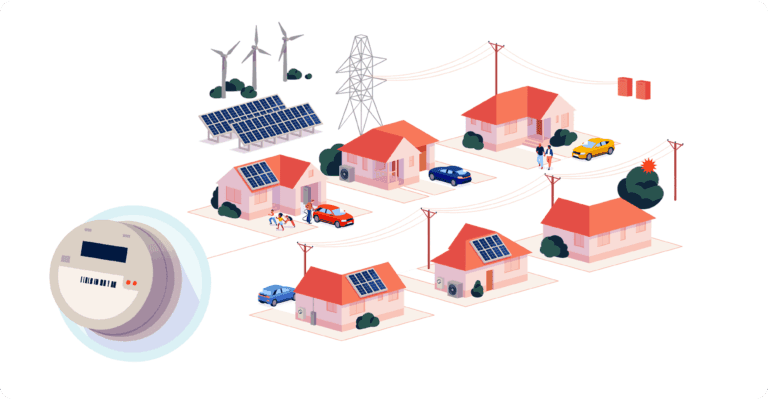
The time is now!
Decisions need to be made today to take advantage of this potential, with nearly a quarter of meters in the US due to be replaced by 2030. The energy transition will happen during the lifespan of meters being installed now.
AMI 2.0 meters installed today can be updated remotely to evolve and address tomorrow’s energy challenges. Many electric vehicle drivers have experienced the value of remote updates that improve range, add new features, or optimize performance years after the vehicle first took to the road. The same is true for AMI 2.0 smart meters with embedded intelligence. They continue to grow in value and functionality long after installation.
Everyone benefits from lower costs and a more flexible grid fit for a cleaner future. Adopting AI-ready AMI 2.0 smart meters delivers the platform on which technology like that provided by Sense can deliver these system benefits for all of us.
The post Your Meter Should Be As Smart As Your Phone appeared first on Sense.
]]>The post From Risk to Response: How grid-edge AI can help with bushfire mitigation appeared first on Sense.
]]>
By Dave Johnson, Head of Australia
Every year, tens of thousands of bushfires tear through Australia’s landscapes. And while utilities have made major strides in prevention and response, the harsh reality is that the earliest moments—those right after an ignition event—can make all the difference.
Sense technology can help detect as events occur.
Why Grid Edge Visibility Matters More Than Ever
Bushfires often start in ways that are hard to catch: a branch brushing against a line, weather-damaged insulation sparking, or even vegetation pushing conductors together during extreme conditions. These aren’t always visible from the ground, but they leave behind electrical fingerprints.
Sense technology—built into next-generation smart meters—can detect those signatures in real time. Unlike traditional meters, Sense listens to the subtle electrical signals across the grid. It identifies disruptions at the edge of the network, offering a new level of precision for utilities looking to detect and respond to risk faster.
What Sense Has Proven in the Field
In the U.S., Sense has already demonstrated the power of this approach. During the 2023 Maui wildfire, Sense identified patterns of grid instability and pinpointed the ignition location 44 minutes before the first public emergency report. In another utility-led validation study, Sense reduced bushfire-related response time by up to four hours—an improvement with potentially life-saving implications.
By turning every home’s electric meter into a real-time sensor, utilities can now spot and locate anomalies faster, respond more accurately, and prioritise resources where they’re needed most.
A Smarter Way to Maintain and Respond
Vegetation is one of the top causes of bushfire ignition in Australia—and one of the costliest to manage. Rather than relying on routine or reactive inspections, Sense helps utilities zero in on actual risk. It can detect anomalies that crews may miss, like worn insulation, arcs from water tracks, or line contact events.
This targeted approach improves operational efficiency and helps prevent high-cost damage before it occurs.
Partnering for a Safer Grid
Sense is currently working with U.S. utilities in wildfire-prone regions and is ready to collaborate with DNSPs in Australia.
Dave Johnson commented “Our approach is flexible: utilities can integrate Sense data into existing SCADA systems or analytics platforms. And once validated, full deployments can be scaled quickly with Sense-capable meters”
Looking Ahead
As fire seasons grow longer and more intense, early detection and smart response aren’t optional—they’re essential. With Sense, utilities can gain the real-time intelligence needed to shift from reactive to proactive, and from risk to resilience.
The post From Risk to Response: How grid-edge AI can help with bushfire mitigation appeared first on Sense.
]]>The post EV Charging Is Changing the Grid. Here’s How to Get Ahead appeared first on Sense.
]]>The rapid rise of electric vehicles is reshaping the way we think about the grid—from both sides of the meter. As utilities work to meet ambitious climate mandates while keeping systems resilient and affordable, EVs are emerging as both a challenge and an opportunity.
According to the US Department of Energy, around 80% of EV charging happens at home. That’s good news because unlike most home energy loads, EV charging is highly flexible. With the right tools, utilities can turn this flexibility into real-world value: for the grid, for the environment, and for customers.
But it all starts with visibility. That’s where Sense EV Analytics comes in.
Meet Sense EV Analytics: Smarter EV Intelligence From the Grid Edge
EV Analytics leverages Sense’s distributed edge intelligence to detect and analyze home EV charging regardless of vehicle make or charger type. By applying AI and machine learning to high-resolution waveform data, EV Analytics gives utilities unprecedented clarity into when, where, and how much EVs are charging.
And that clarity enables action.
Sense identifies Level 1 and Level 2 charging events with minute-by-minute start/stop timestamps and 5-minute kW load data. This information feeds directly into key utility operations—from managed charging and distribution planning to load forecasting and customer engagement.
- Detect Charging at the Grid Edge
Leverage meter-embedded AI that analyzes high-resolution waveform data—eliminating the blind spots and delays of cloud-only or 15-minute interval data approaches. - Lower Program Costs and Expand Access
Recruit and enroll more customers into managed charging programs with new options for EVs using Level 1 chargers. One solution, broad coverage, lower acquisition costs. - Support All EVs and Chargers
Deliver EV insights regardless of make, model, or charger. Sense’s waveform-based detection is vehicle and charger agnostic—removing the enrollment friction created by telematics or proprietary hardware. - Adapt to the Fast-Changing Grid
As new EVs are added to the grid every day, Sense keeps pace offering continuous detection and insights to help you adapt your planning and operations in real time. - Build a Flexible, Scalable Foundation
Support multiple meter communication protocols (Cellular, Mesh, WiFi) and integrate seamlessly with utility platforms. Sense enables a software-first strategy that’s ready to scale with your AMI 2.0 rollout. - Unlock Dispatchable Load
EV charging is flexible and Sense helps you tap into that flexibility. Shift load to off-peak hours with real-time visibility that enables smarter demand response and grid reliability strategies.
Why Grid-Edge Matters
Today, most utilities rely on a patchwork of EV data sources—some delayed, some disconnected from actual meter locations, and many with significant data gaps. Further, most software approaches rely on cloud models that can’t keep up with the real-time grid. That makes planning difficult, and limits the success of managed charging programs.
EV Analytics changes that. By detecting when an EV is added to a home, utilities can immediately determine how that load will impact local distribution assets. And with identifying and measuring charge events directly at the meter, Sense delivers timely, accurate, and location-specific insights at scale—no extra hardware, no messy integrations.
Giving EV Drivers Power
Accurately identifying where EVs are from the edge also enables utilities to engage their owners. EV charging can double household energy demand, creating grid stress if unmanaged. While time-of-use (TOU) rates aim to shift charging to off-peak times, results are mixed—often due to limited customer engagement. Sense EV Analytics together with the Sense Home app can provide real-time alerts and visibility into when rates change and what’s using power.
But rates alone aren’t enough. Sense research shows that TOU periods often don’t align with the grid’s cleanest energy. Nor are they aligned with seasonal peaks, like AC-driven load increases during the hottest part of the day. Smarter charging needs to factor in renewable generation, real-time usage, and overall carbon intensity. This kind of optimization could cut emissions by up to 43%.
To make it work, we need home-level intelligence and consumer-friendly tools. With software embedded in smart meters and an easy-to-use app, Sense is uniquely positioned to enable flexible, low-carbon EV charging for a more resilient grid.
Shape EV Demand Before It Shapes Your Grid
EV sales are surging. According to the International Energy Agency (IEA), EVs grew to 10% of new U.S. car sales in 2024. By 2030, that number is forecasted to hit between 20% and 50%. That increase could add between 100TWh and 185TWh to our total electricity demand, representing between 2.5% to 4.6% of our total consumption.
That’s great for utilities under pressure to meet climate goals. But without the right strategy, it could mean up to an increase in peak energy demand—at a time when many grids are already under strain from weather events and rising consumption.
The good news: EV charging is flexible. With tools like Sense EV Analytics, utilities can shape demand—reducing peak load, improving grid reliability, and helping customers charge at times when energy is cleaner, cheaper, and more plentiful.
With Sense EV Analytics, utilities get:
- Reliable detection of all EV’s on the residential network to know when a new EV is added
- Daily EV charging data for improved forecasting
- Accurate charge detection to enroll more customers in managed charging
- Seamless integration with utility systems and customer apps
In a world where every kilowatt-hour matters, Sense provides the clarity to act and the tools to drive meaningful change.
Let’s unlock EVs as part of our cleaner, more resilient future—starting at the meter.
The post EV Charging Is Changing the Grid. Here’s How to Get Ahead appeared first on Sense.
]]>The post 次世代メーターを選ぶ前に知っておくべき4つの事実 appeared first on Sense.
]]>テクノロジーへの投資は決して簡単な決断ではありません。特に、スマートメーターのように15年以上使用されることが期待されるテクノロジーの場合はなおさらです。 エネルギー転換は現在進行中であり、今日設置されるメーターの寿命が尽きるまで継続します。 重大な選択です。 誤ったテクノロジーを選択すると、時代遅れの機能に甘んじ、進化する送電網のニーズに対応できないリスクがあります。
これは、第一世代のスマートメーターが期待を大きく下回ったことで、電力会社の意思決定者の心に今も残る教訓です。その後、いくつかの改善が加えられましたが、次世代メーターが真の変革をもたらしています。もはや単なるデータ収集装置ではなく、これらのソフトウェア駆動型プラットフォームは、送電網のリアルタイム管理方法を変化させています。
では、スマートメーターをAMI 2.0にするものは何でしょうか? それは、次の4つの主要機能に集約されます。
- データ
- 演算、メモリ、ストレージ
- ネットワーク
- ソフトウェアとセキュリティ
以下、それぞれについて詳しく見ていきましょう。
1. データ。より多くのデータ、より多くの価値
スマートメーターの第一世代では15分間隔のデータが提供されていましたが、それだけでは有意義な洞察を得るには不十分でした。今日のエネルギーシステムでは、家庭内のデバイスレベルのエネルギー消費量を追跡し、送電網全体の異常を検出するために、はるかに高い解像度が必要です。
インテリジェンスを内蔵したAMI 2.0メーターは、第一世代のスマートメーターと比較して5000万倍ものデータを処理することができます。この劇的なデータ量の増加により、家庭内の機器の詳細なリアルタイム表示(リアルタイム負荷分散)と、送電網全体を包括的にリアルタイムで表示することが可能になりました。 電圧と電流の波形の微妙な変化を分析することで、これらの高度なメーターは、変圧器の放電や、植物が電線に触れることによる問題など、運用上の問題を検知し、停電や機器の損傷が発生する前にその問題を特定することができます。
これらの機能を実現するために、AMI 2.0 メーターは以下を備える必要があります。
- 電圧および電流波形の連続サンプリング(最低でも毎秒 15,000 サンプル)。最適なパフォーマンスを実現するには、Sense では毎秒 100 万サンプルを推奨しています
- アプリケーションプロセッサにアクセス可能な生のエネルギーデータ(要約情報のみではない
- 電圧および電流の同期サンプリング
- 電流は少なくとも16ビット、電圧は14ビット以上の分解能によるリニア量子化
避けるべき間違い:よくある間違いとして、解像度が低くても同様のパフォーマンスが得られると考えることが挙げられます。家庭内で複数のデバイスが稼働している場合、解像度が低いとデバイスの詳細な分析が不正確になり、家電製品レベルのリアルタイム表示ができなくなります。解像度が低いと、過去の履歴に基づく精度の低い分析しかできません。そうなると、顧客はサービスへの関心と信頼を失ってしまいます。
リアルタイムデータの重要性
Googleマップを考えてみてください。30分前の交通情報など必要ありません。今知りたいのです。エネルギーデータも同じです。
消費者にとって:デバイスのフィードバックは1秒以内に表示されるべきです。1秒以上の遅延があると、ユーザーはデバイスの電源を入れるなどの操作とアプリに表示される内容との関連性を認識することが難しくなります。
送電網の場合:「リアルタイム」の定義は用途によって異なります。計画や運営では、数分前のデータで十分な場合もよくあります。しかし、断線検知や遮断などの重要な作業には、数百ミリ秒単位の応答時間が必要であり、DER(分散型エネルギー資源)を含む送電網サービスでは、遅延は数ミリ秒以内に抑える必要があります。
避けるべきミス:一般的に、非リアルタイムデータが信頼されていますが、ユーザーや電力会社にとっての価値ははるかに低くなります。消費者は、古い情報を理解し、それに基づいて行動することが難しくなります。また、電力会社は、デマンドサイドレスポンスや送電網の緊急事態の管理にそれを利用することができません。
2. エッジ・コンピューティング、メモリー、ストレージ
5000万倍のデータ量では、すべてを中央のクラウドに送信することは現実的ではありません。代わりに、AMI 2.0はインテリジェンスをエッジ側にシフトし、組み込み処理を活用して即座に洞察を得たり、業務効率性を向上させます。
このシフトは、演算能力とエネルギー効率性を劇的に向上させながらコストを削減するプロセッサの進歩によって可能になりました。最新のプロセッサには、AIモデルをローカルで実行し、高データレートをリアルタイムで処理できるハードウェアアクセラレータが搭載されています。
AMI 2.0メーターは、分散型ソフトウェアモデルを通じてこれらの先進的なプロセッサを活用します。処理の大部分はメーター上でローカルに行われ、必要に応じてネットワークやクラウド側での処理と組み合わされます。
これらの機能を実現するには、AMI 2.0 メーターは以下の機能を備えている必要があります。
- 1000 DMIPS CPU 処理能力
- 256MB RAM メモリ
- 1GB フラッシュストレージまたはその他のストレージ
回避すべきミス:よくあるミスとして、高解像度データをクラウドで処理しようとするケースがあります。 レイテンシが低く、テクノロジーが数百以上の家庭にスケールするようになると、コストが非常に高くなる可能性があります。
3. ネットワーキング 信頼性の高い低遅延接続
分散型コンピューティングモデルは、電力会社ネットワークへの負荷を軽減しますが、信頼性の高い接続は依然として不可欠です。多くのアプリケーションは、さほど広帯域でなくても機能しますが、リアルタイムのDER調整、電圧最適化、停電検知など、高速で低遅延の通信に依存するものもあります。
これらの要求に応えるため、AMI 2.0 メーターは以下をサポートする必要があります。
- 非リアルタイムのデータ転送(メーターからクラウドへ)30~100MB/日
- 高速制御信号を必要とするリアルタイムアプリケーションのための低遅延(往復750ミリ秒未満)
シームレスなスマートホームデバイスを可能にするローカル家庭内ネットワークアクセス(WiFi/イーサネット)
4. ソフトウェアとセキュリティ 将来を見据えた基盤
エネルギー業界の状況は急速に変化しています。テクノロジーも同様です。AI駆動型分析、送配電網のエッジでのコンピューティング、ソフトウェアベースの自動化が一般的になるでしょう。この変化に対応するには、スマートメーターにはアップグレード可能で適応性の高いソフトウェアアーキテクチャが必要です。
機械学習やAIなどの最新のソフトウェアスタックをサポートするには、AMI 2.0メーターは以下を提供する必要があります。
- OTA(無線)によるセキュアなソフトウェア更新
- ネイティブレベルのコンピューティングリソースへのアクセス
- マルチスレッドのサポート
- 消費者ソフトウェアからメーター機能を保護するセキュリティ、および消費者データのデータプライバシーの提供
これらの機能により、メーターは常に適切かつ適応性を維持し、送電網の将来のニーズをサポートする投資を確実にします。
最後の収穫 将来に備える
AMI 2.0は単なる機能追加のアップグレードではなく、エネルギー管理のあり方を変えるものです。これらの進歩は、実績のある成熟したテクノロジーを基盤としています。
高解像度のデータ、強力なエッジコンピューティング、拡張性のあるソフトウェアを提供できない「十分な機能を備えた」または「ほぼリアルタイム」のソリューションには注意が必要です。今日導入するメーターが、今後20年間の電力会社の能力を決定します。時代の先を行くために賢明な投資を行いましょう。
The post 次世代メーターを選ぶ前に知っておくべき4つの事実 appeared first on Sense.
]]>The post Unlocking Real-time Visibility and Situational Awareness appeared first on Sense.
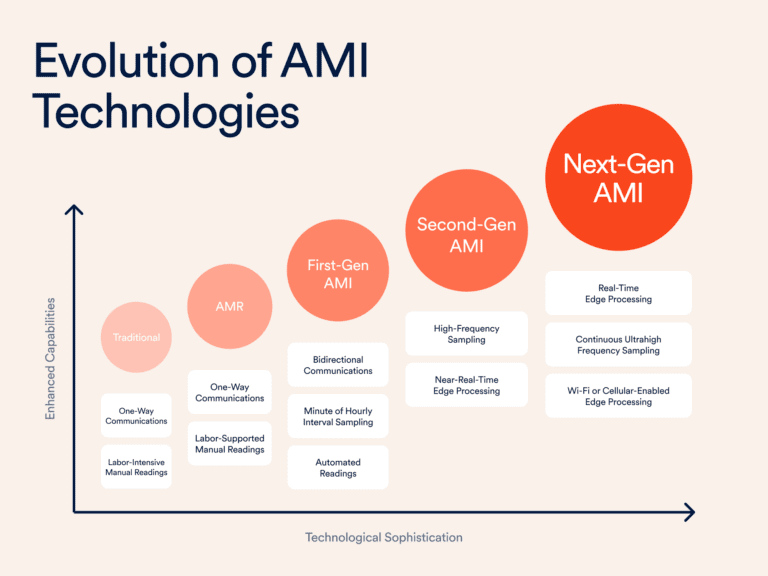
]]>An electric meter was originally designed to provide utilities with a simple number—the amount of electric current that flowed through the meter each month. The first significant technological evolution came with the rise of first-generation smart meters and the transition from analog devices to basic digital technologies. With the development of more sophisticated hardware and the miniaturization of computing power, “second-generation” smart meters have leapfrogged traditional definitions and now encompass connected networks of intelligent edge-computing devices, fully equipped with onboard sensors, computers, and communications capabilities. Furthermore, these devices can now measure and monitor the waveform in addition to energy, current, and voltage, and capture these measurements at sub-second intervals. These flagship functionalities should not overshadow one of the more overlooked capabilities— location awareness.
However, there is still a fair degree of technological differentiation throughout the space, as highlighted in Figure 1-1. For the purposes of this white paper, second-generation AMI constitutes these baseline enhancements, while the term next-generation AMI (Next-Gen) is reserved for the continuous sampling of ultrahigh resolution data (at a minimum of 15 kHz) across all smart meters, significant local processing, and real- time networking functionalities—requirements that some devices labeled as next-generation AMI meet to varying degrees. These innovations aim to align the energy industry with other verticals in enabling real- time experiences to meet modern-day expectations.
To read more, download the whitepaper.
The post Unlocking Real-time Visibility and Situational Awareness appeared first on Sense.
]]>